
Independent Evaluation Group
Visual System
Overview
The Independent Evaluation Group (IEG) evaluates the development effectiveness of the World Bank Group. Their work provides evaluative evidence to help the World Bank Group deliver better services and results to its clients, by generating lessons from past experience and accountability to shareholders and stakeholders at large. As a global reference in independent evaluation, IEG's work informs and influences evaluation practices far beyond the World Bank Group.

What we accomplished
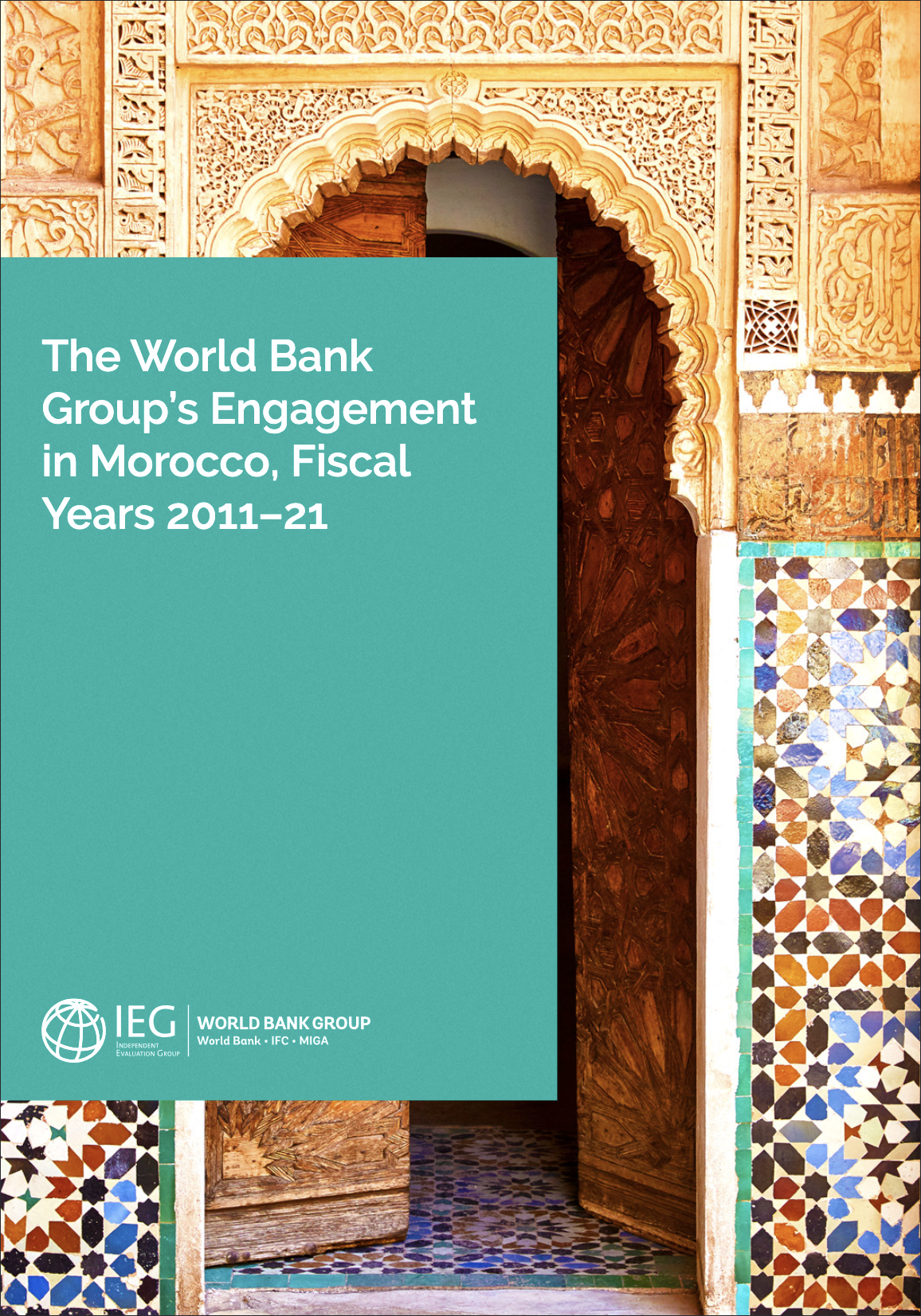
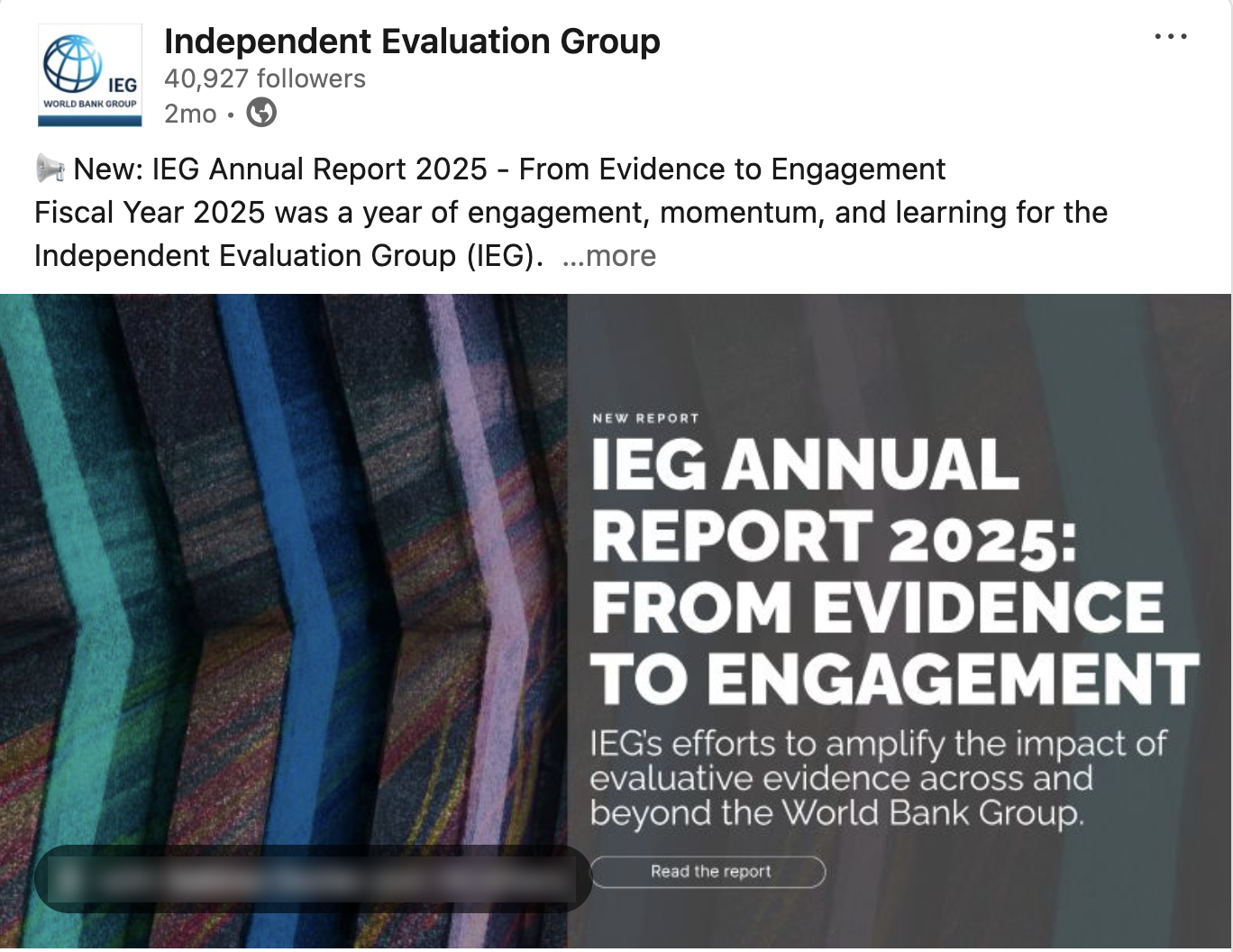

As the World Bank Group's independent evaluation arm, IEG needed a visual identity that could strengthen its brand both internally and externally. Every design decision carried significant institutional weight: the system needed to be distinctive and memorable while remaining aligned with the World Bank's visual standards. Equally important, it had to be accessible and equitable for a diverse global audience.
Designing the visual identity was only the beginning in 2020. To ensure consistency across teams, products, and platforms, we developed a comprehensive design system for both designers and non-designers. This included detailed guidelines, Adobe, Microsoft and Canva templates, reusable assets, and ongoing support through training sessions and one-on-one consultations.
The result was a more cohesive and recognizable brand across publications, digital products, presentations and social media. By establishing clear standards and scalable tools, the system helped teams communicate more effectively while allowing the content—and not the design—to take center stage.
Building a Visual System
color palette
typeface
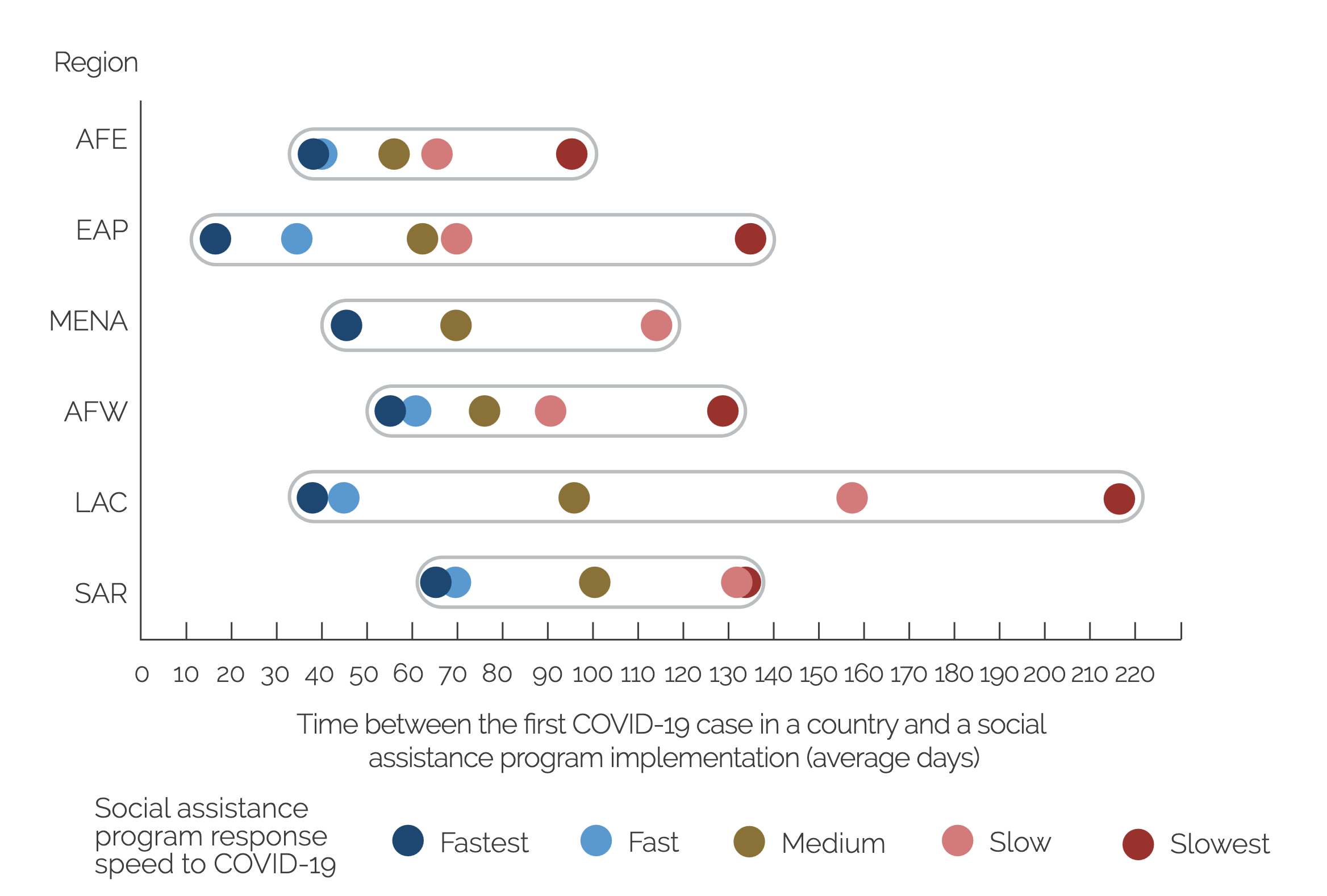
data visualization
Accessibility guided every aspect of the IEG visual system, from color selection and typography to data visualization standards.
The color palette was refined in 2024 to meet rigorous accessibility requirements, while the typography was chosen to balance authority, clarity, and readability across print and digital environments. Data visualization guidelines ensured consistency across platforms and products, helping complex information remain both accessible and engaging.
Together, these elements created a visual language that was distinctive, scalable, and designed to support the content rather than compete with it.
Key Features
- Visual identity system
- Accessibility framework
- Data visualization standards
- Editorial design templates
- Cross-platform asset ecosystem
- Scalable design governance
- Designer and non-designer workflows
- Digital and print implementation